


Postpartum Anxiety Even With Support
October 14, 2026
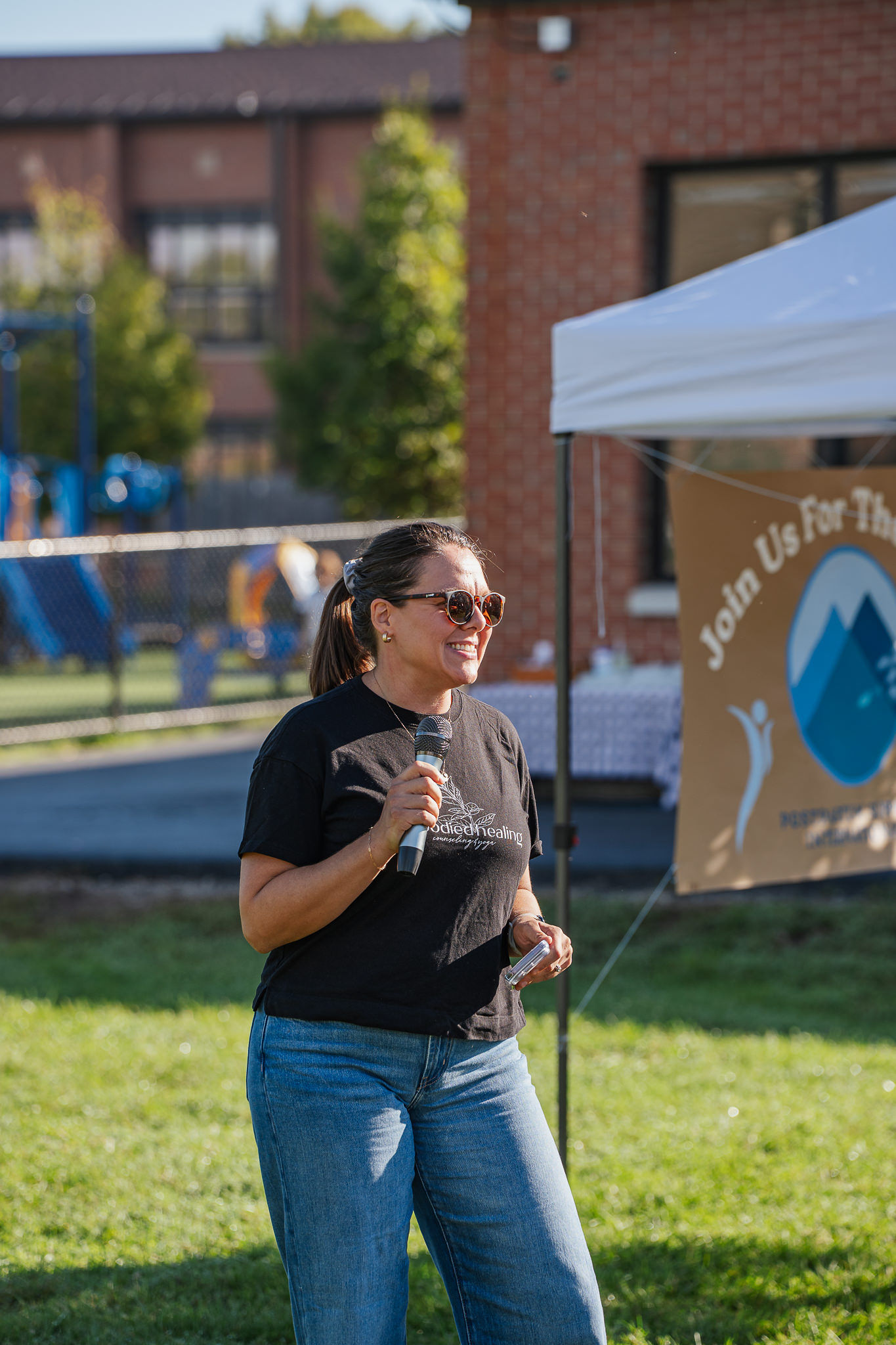
I shared part of my story at Postpartum Support International’s Climb because I want other parents to hear this: postpartum mental health challenges can happen to anyone. You can experience postpartum anxiety, even with support and knowledge of resources.
Having support, loving your baby, and knowing what to look for do not make you immune.
I know this because I was a therapist. I had a wonderful partner, people who loved us, and access to care. And I still experienced postpartum anxiety and OCD.
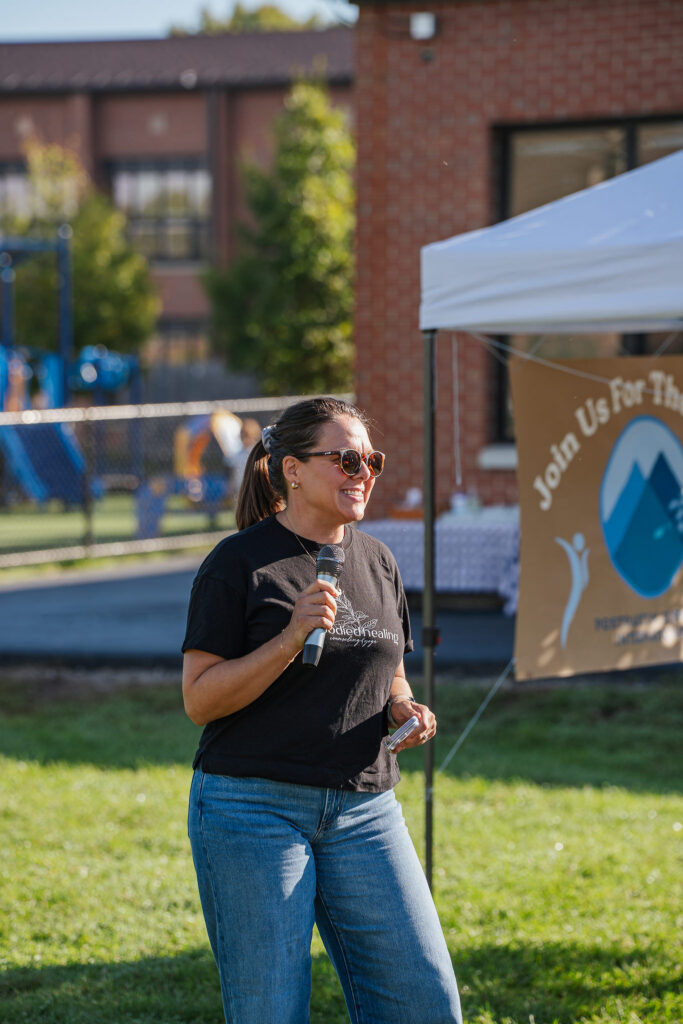
Table of Contents
- Becoming a Mother During COVID
- Feeling Supported and Still Struggling
- Recognizing My Postpartum Anxiety and OCD
- A Different Experience With My Second Baby
- What I Hope You Take From My Story
- You Deserve Support, Too
- Frequently Asked Questions
Becoming a Mother During COVID
My journey to motherhood began during COVID. We found out I was pregnant for the first time on Mother’s Day in 2020. Despite everything happening in the world, we were so excited.
I had been a therapist for seven years and had recently started working on a perinatal mental health hotline. My pregnancy was healthy, and I actually enjoyed it.
My husband and I spent much of it in our own little bubble. Our baby shower was virtual. I saw friends on walks outside. COVID restrictions meant he could attend only one ultrasound.
It was a strange time to become a parent, but there was also so much joy.
Feeling Supported and Still Struggling with Postpartum Anxiety
After our daughter was born, my mom stayed with us for two weeks. I joined a virtual postpartum support group and attended every week of my maternity leave.
We had friends and family checking in, bringing meals, and sending packages. We felt loved and cared for.
Support and resources were available to us. And I was experiencing postpartum anxiety and OCD.
Both were true. The support mattered deeply. It also didn’t mean I was feeling okay.
Recognizing My Postpartum Anxiety and OCD
At first, I didn’t recognize what I was experiencing for what it was.
I had intrusive thoughts, checked constantly, tracked things and Googled obsessively.
I felt ashamed to tell many people what was going on because I worried they would think I was being dramatic, or that they would be more concerned than I was ready for them to be.
Knowing about perinatal mental health in my professional life didn’t make it easy to understand what was happening in my own.
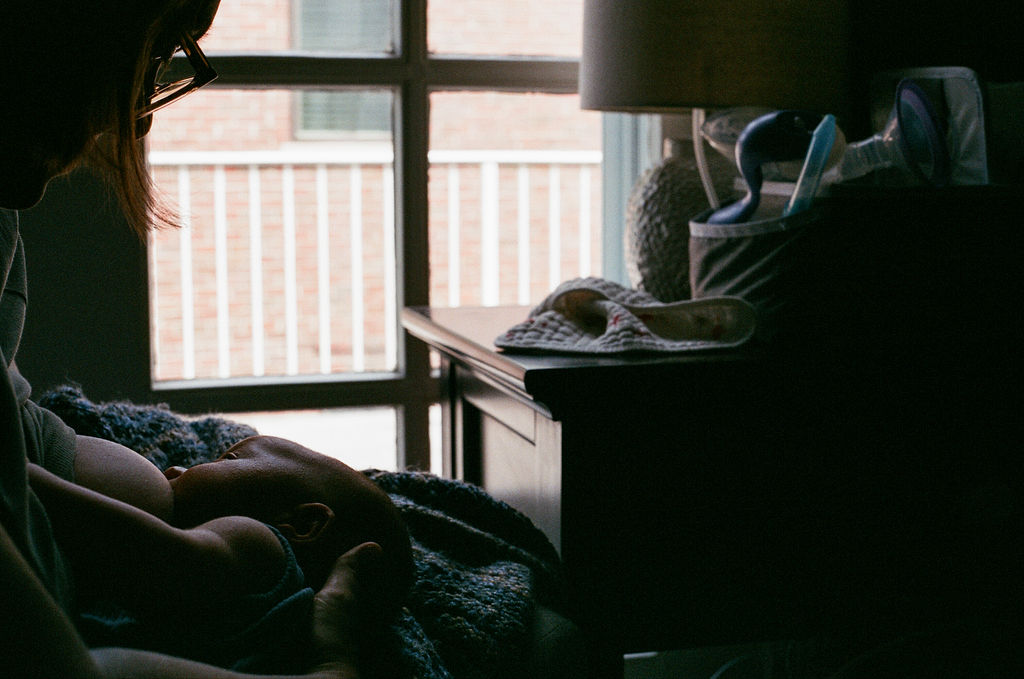
I kept seeing my therapist and taking my medication. A lactation consultant encouraged me to try meditating while I nursed, which helped more than I expected.
Still, it took time to understand what I was experiencing and to speak about it openly.
A Different Experience With My Second Baby
By my second pregnancy in 2022, I had found mental health providers who specialized in perinatal care. I felt more stable. I checked less and was more able to be present.
Then our son was born, and sleep became a struggle for our whole family.
For two years, my husband, our son, and I didn’t sleep through the night. The exhaustion took a toll on me. I felt a kind of rage I had never experienced before. I was short-tempered and didn’t feel like the calm, fun mom I wanted to be.
This time, I was more open about how hard things were. I reached for more support because I knew I needed it.
There were different challenges this time around. I also had more practice saying, “This is hard, and I need help.”
What I Hope You Take From My Story
I’m a therapist, and now a perinatal therapist. I knew about the resources, I had a wonderful partner and people who loved us.
I had wanted my children, enjoyed my pregnancies, and felt immense joy in being their mom.
None of that erased the hard parts.
That’s what I hope someone takes from my story. Postpartum mental health challenges don’t follow a rule about who “should” struggle. They can show up even when your life looks well supported from the outside.
And the joy you feel in parenthood can exist right alongside anxiety, anger, grief, or exhaustion.
You can be grateful for your family and need more support. You can love being a parent and have moments that feel incredibly hard.
There is room to tell the truth about all of it.
You Deserve Support, Too
If any part of this sounds familiar, you don’t have to figure it out alone.
Tell someone you trust what has been happening, even if you’re still finding the words. You might begin with something as simple as, “I’m having a harder time than it looks.”
You deserve to be met with care. And you deserve specialized support that fits what you’re going through.
At Embodied Healing Counseling & Yoga, we care for women navigating pregnancy, postpartum, and the transitions surrounding motherhood. If you’re looking for perinatal mental health support in Evanston or through telehealth in Illinois, you can learn more about our practice.
Frequently Asked Questions
Can I need more support even if my partner and family are helping?
Yes. In my own experience, practical help and loving relationships mattered enormously, and I still needed mental health care. Needing additional support doesn’t diminish what your loved ones are doing or mean you’re ungrateful.
Do I need to know whether it’s postpartum anxiety or OCD before reaching out?
You don’t need to arrive with a diagnosis. You can describe what you’re noticing, what feels distressing, and how it’s affecting your days. A mental health professional can help you make sense of it.
Where can I find a postpartum support group?
Postpartum Support International offers free online peer support groups, including groups for pregnancy and postpartum mental health challenges such as anxiety and OCD. Peer support can offer connection alongside professional care.
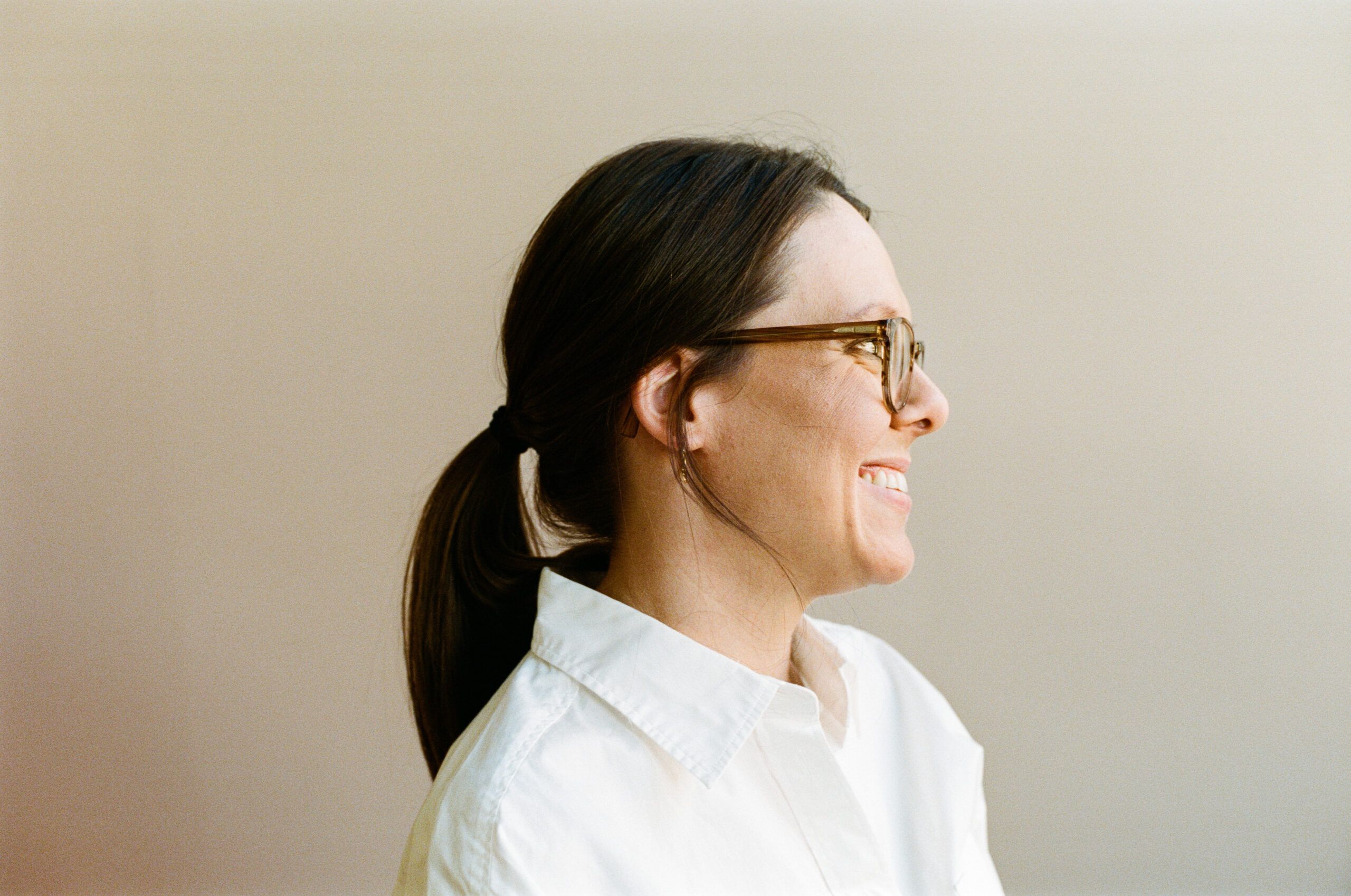
Kristen Simons is the founder of Embodied Healing Counseling & Yoga, an integrative therapy and yoga therapy practice in Evanston, Illinois. She specializes in anxiety, perinatal mental health, and somatic mind-body work, helping women and adults build grounded, sustainable tools for everyday life.
Explore services and resources at embodiedhealingtherapist.com.
Leave a Reply
Cultivating healing and hope through mind, body, and spirit. Cultivating healing and hope through mind, body, and spirit. Cultivating healing and hope through mind, body, and spirit. Cultivating healing and hope through mind, body, and spirit. Cultivating healing and hope through mind, body, and spirit. Cultivating healing and hope through mind, body, and spirit. Cultivating healing and hope through mind, body, and spirit. Cultivating healing and hope through mind, body, and spirit. Cultivating healing and hope through mind, body, and spirit. Cultivating healing and hope through mind, body, and spirit.
browse by category
Explore practical insights, education, and strategies for understanding and easing high-functioning anxiety and daily stressors.
Find supportive guidance, research-informed information, and real-life reflections on pregnancy, postpartum, and the emotional shifts of becoming a parent.
Discover yoga-inspired, somatic, and nervous-system–friendly practices and education to help you connect with your body and support overall well-being.
Relatable stories, gentle guidance, and helpful tools for navigating family dynamics, boundaries, and the realities of modern parenting.


Ways to work together
Learn to understand your patterns, manage overwhelm, and reconnect with what matters.
Support through fertility, pregnancy, postpartum, and the identity shifts of motherhood.
Helping you cultivate a more compassionate, balanced relationship with food, your body, and yourself.
Mind–body sessions that support emotional balance and nervous system regulation.
Get started
Yoga Services
Therapy Services


