



The weeks and months after having a baby can bring a wide range of emotions. Joy, love, exhaustion, overwhelm, vulnerability, and anxiety can all exist at the same time. Many new parents are surprised by how intense the emotional experience of early parenthood can be. While some emotional changes are a normal part of adjusting to life with a newborn, others may signal the need for additional support. Three experiences that are often confused or used interchangeably are postpartum anxiety, baby blues, and postpartum depression.
Understanding the differences can help you know when what you’re feeling is part of the normal adjustment period—and when it may be helpful to reach out for support.
What Are the Baby Blues?
The baby blues are extremely common and affect about 70–80% of new mothers.
They usually appear within the first few days after birth and may include:
- Mood swings
- Tearfulness or crying easily
- Feeling emotionally sensitive
- Irritability
- Feeling overwhelmed
- Fatigue
- Difficulty concentrating
These symptoms are largely related to rapid hormonal changes, sleep deprivation, and the emotional adjustment to caring for a newborn.
The most important feature of baby blues is that they are temporary.
Symptoms typically peak around days 3–5 postpartum and resolve within about two weeks without formal treatment.
While baby blues can feel intense in the moment, most parents notice their mood gradually stabilizing as their body recovers and routines begin to settle.

What Is Postpartum Depression (PPD)?
Postpartum depression is more persistent and more intense than baby blues.
It affects approximately 1 in 7 mothers and can develop anytime during the first year after birth.
Common symptoms include:
- Persistent sadness or low mood
- Loss of interest in activities you previously enjoyed
- Feelings of guilt or worthlessness
- Difficulty bonding with your baby
- Changes in sleep or appetite
- Low energy or motivation
- Feeling emotionally numb or disconnected
Unlike baby blues, postpartum depression does not usually resolve on its own and can significantly affect daily functioning.
Many parents describe postpartum depression as feeling emotionally heavy or disconnected, as though the joy they expected to feel feels distant or inaccessible.
The good news is that postpartum depression is very treatable. Therapy, support groups, lifestyle changes, and sometimes medication can make a meaningful difference.
What Is Postpartum Anxiety (PPA)?
Postpartum anxiety is just as common as postpartum depression, but it is talked about less often.
Because worry is expected with a new baby, postpartum anxiety can sometimes be mistaken for “normal new parent concern” by loved ones and medical providers, alike.
However, postpartum anxiety tends to feel persistent, intrusive, and difficult to turn off.
Common symptoms include:
- Racing thoughts
- Constant worry about the baby’s safety or health
- Difficulty relaxing
- Feeling on edge or physically tense
- Irritability
- Trouble concentrating
- Replaying worst-case scenarios in your mind
- Intrusive, disturbing thoughts about harm to the baby or yourself
- Difficulty sleeping even when the baby sleeps
- Rigidity about tracking baby’s daily habits
Many parents experiencing postpartum anxiety describe feeling like their mind is always looking for danger.
From a nervous system perspective, postpartum anxiety often reflects a body that is stuck in a heightened state of alertness, sometimes referred to as the fight-or-flight response.
This response is evolutionary and protective—your brain and body is trying to keep your baby safe—but when it becomes constant, it can leave you feeling exhausted and overwhelmed.
Baby Blues vs Postpartum Depression vs Postpartum Anxiety
| Baby Blues | Postpartum Depression | Postpartum Anxiety |
| Very common | Common | Common but often underrecognized |
| Starts within first few days after birth | Can begin anytime in first year | Can begin anytime in first year |
| Mood swings and tearfulness | Persistent sadness or numbness | Constant worry or racing thoughts |
| Improves within about two weeks | Lasts longer than two weeks | Persistent and difficult to turn off |
| Typically resolves on its own | Often requires treatment and medication | Often improves with therapy and medication |
When to Reach Out for Support
If any of your symptoms:
- last longer than two weeks
- feel intense or overwhelming
- interfere with sleep, daily functioning, or bonding
- include intrusive or distressing thoughts
- Include suicidal or harm thoughts or urges
it may be helpful to connect with a perinatal mental health professional.
Seeking support is not a sign of weakness—it’s a way of caring for yourself during one of life’s most significant life transitions.
Supporting Your Nervous System During the Postpartum Period
The postpartum period places significant demands on both the body and nervous system.
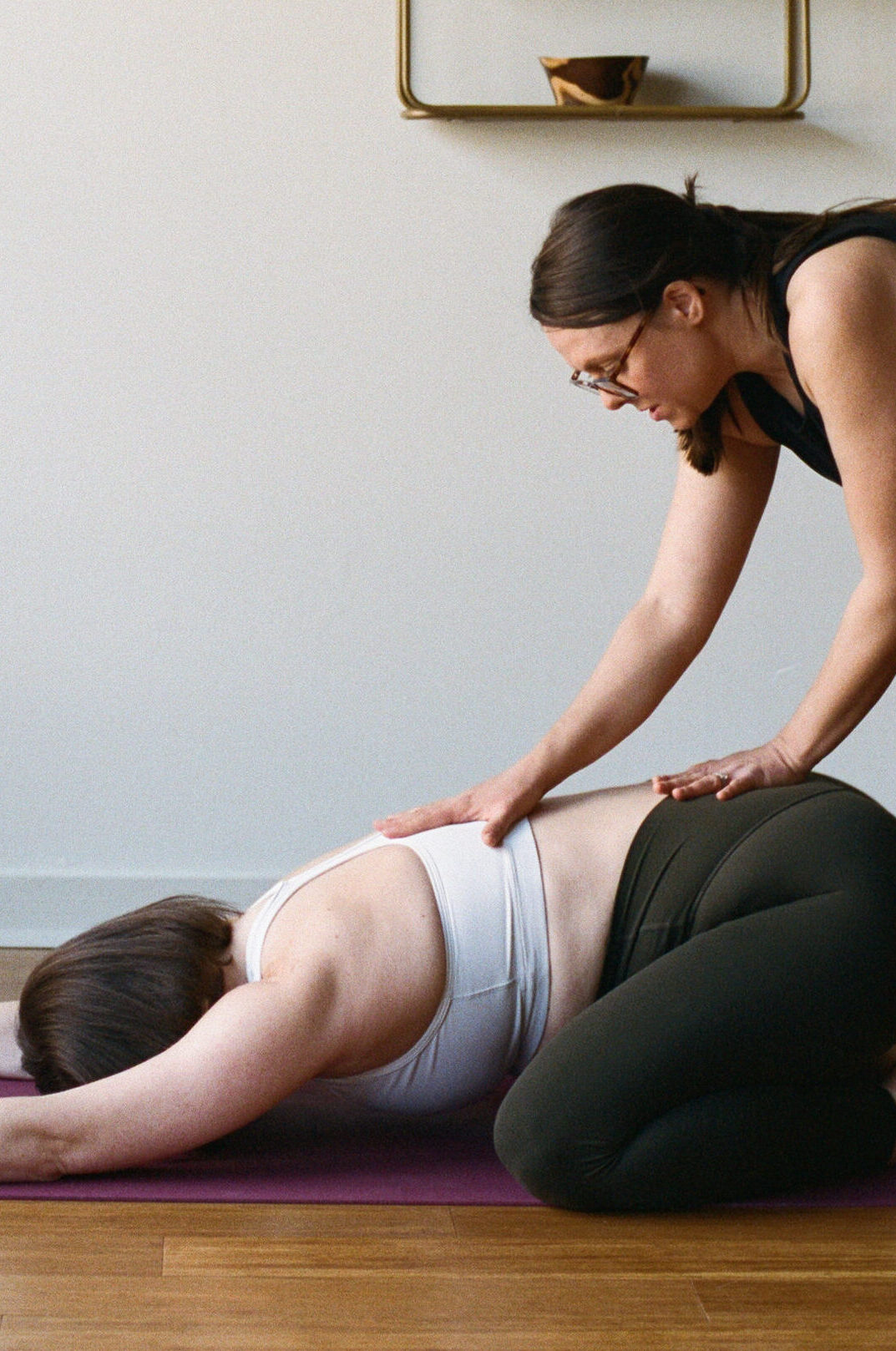
Alongside therapy and community support, many parents benefit from practices that help regulate the body’s stress response, such as:
- change in scenery
- gentle yoga or movement
- simple mindfulness and breathing practices
- Intentional nutrition and sleep routines
- Connection with others
These tools are not meant to replace professional care when it’s needed, but they can help create moments of joy and stability during a demanding season of life.
You Are Not Alone
If you’re struggling emotionally after having a baby, please know that you are far from alone. Postpartum mental health challenges are common, understandable, and treatable. Support can make a meaningful difference—not only for you, but for your entire family.
At Embodied Healing Counseling & Yoga, we offer perinatal mental health therapy, yoga-based nervous system regulation, and postpartum support groups to help parents feel more supported and grounded during this transition.
Additional Postpartum Mental Health Resources
If you’re looking for more information or support for postpartum anxiety, baby blues, or postpartum depression, these trusted organizations provide helpful resources for parents navigating the postpartum period.
Postpartum Support International
Postpartum Support International offers education, support groups, and a directory of trained perinatal mental health professionals, including our very own Kristen Simons, LCPC, PMH-C, RYT.
You can:
- find postpartum support groups
- search for perinatal therapists
- access educational materials about postpartum mood disorders
Visit: https://www.postpartum.net
Maternal Mental Health Leadership Alliance
The Maternal Mental Health Leadership Alliance works to improve maternal mental health care and provides educational resources for families and providers.
Visit: https://www.mmhla.org
National Institute of Mental Health
The National Institute of Mental Health provides research-based information about postpartum depression and other mental health conditions.
Visit: https://www.nimh.nih.gov
March of Dimes
March of Dimes offers resources for pregnancy and postpartum health, including information about emotional well-being after birth.
Visit: https://www.marchofdimes.org
Crisis Support
If you or someone you love is experiencing thoughts of harming themselves or their baby, immediate support is available through the 988 Suicide & Crisis Lifeline by calling or texting 988 in the United States.

Kristen Simons is the founder of Embodied Healing Counseling & Yoga, an integrative therapy and yoga therapy practice in Evanston, Illinois. She specializes in anxiety, perinatal mental health, and somatic mind-body work, helping women and adults build grounded, sustainable tools for everyday life.
Explore services and resources at embodiedhealingtherapist.com.
Leave a Reply
Cultivating healing and hope through mind, body, and spirit. Cultivating healing and hope through mind, body, and spirit. Cultivating healing and hope through mind, body, and spirit. Cultivating healing and hope through mind, body, and spirit. Cultivating healing and hope through mind, body, and spirit. Cultivating healing and hope through mind, body, and spirit. Cultivating healing and hope through mind, body, and spirit. Cultivating healing and hope through mind, body, and spirit. Cultivating healing and hope through mind, body, and spirit. Cultivating healing and hope through mind, body, and spirit.


browse by category
Explore practical insights, education, and strategies for understanding and easing high-functioning anxiety and daily stressors.
Find supportive guidance, research-informed information, and real-life reflections on pregnancy, postpartum, and the emotional shifts of becoming a parent.
Discover yoga-inspired, somatic, and nervous-system–friendly practices and education to help you connect with your body and support overall well-being.
Relatable stories, gentle guidance, and helpful tools for navigating family dynamics, boundaries, and the realities of modern parenting.

Ways to work together
Learn to understand your patterns, manage overwhelm, and reconnect with what matters.

Support through fertility, pregnancy, postpartum, and the identity shifts of motherhood.


Helping you cultivate a more compassionate, balanced relationship with food, your body, and yourself.
Mind–body sessions that support emotional balance and nervous system regulation.
Yoga Services
Get started
Therapy Services


